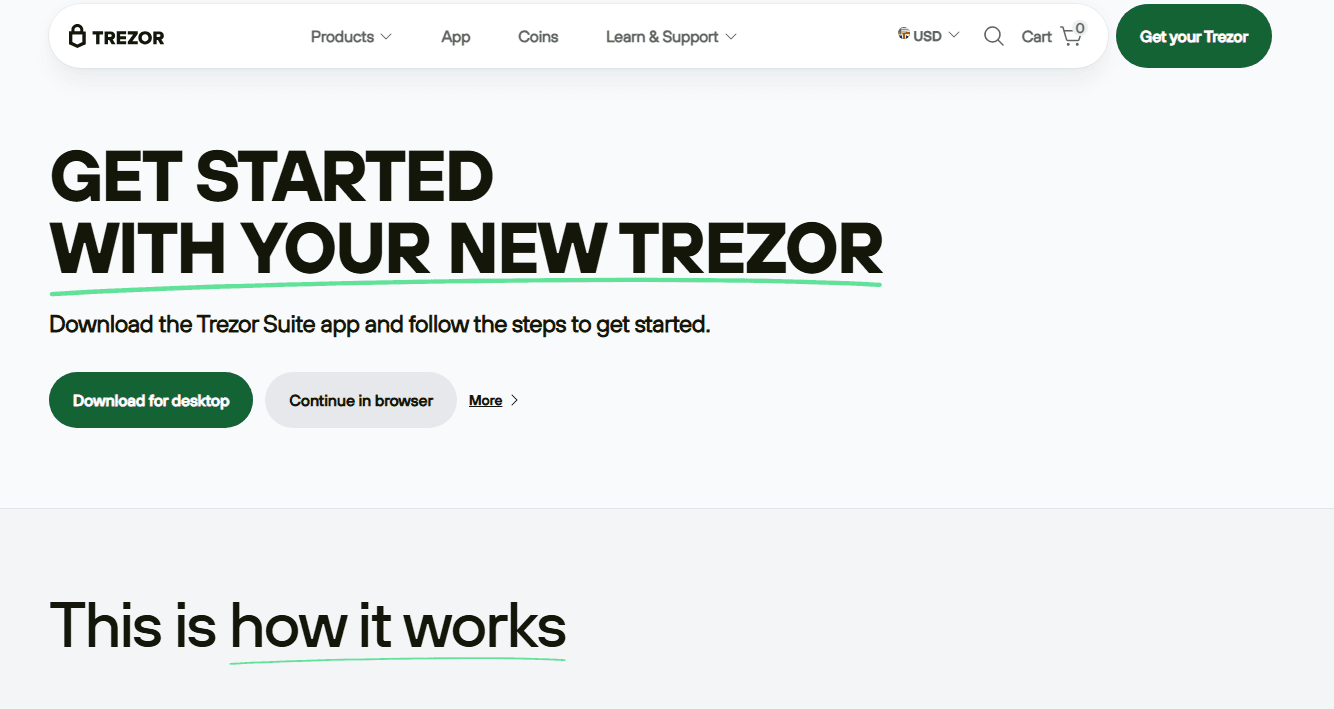
Trezor.io/Start: A Complete 1,200-Word Guide to Setting Up Your Trezor Hardware Wallet
As the world of digital currencies grows, securing your crypto assets has never been more important. Software wallets offer convenience, but nothing matches the security of a reliable hardware wallet. Trezor, one of the most trusted names in crypto storage, provides hardware devices that keep your private keys offline and protected. Whether you are a beginner or an experienced investor, the first step toward protecting your digital assets is to visit trezor.io/start and set up your Trezor wallet properly.
This guide gives you a comprehensive, easy-to-follow explanation of everything you need to know about the setup process, how the device works, why the setup steps matter, and how to maintain strong security after completing the initial configuration.
What Trezor.io/Start Is and Why It Matters
Trezor.io/start is the official starting point for users who want to set up their Trezor hardware wallet. Instead of relying on printed instructions or third-party guides, Trezor directs all users to a single digital setup environment. This ensures your device is configured securely, you install the correct software, and you avoid interacting with fake setup websites or malicious downloads.
This setup page guides you through:
Installing Trezor Suite
Connecting your hardware device
Creating a new wallet
Backing up your recovery seed
Securing your PIN
Understanding how to use the wallet safely
Whether you purchased a Trezor Model One or Trezor Model T, Trezor.io/start ensures a safe foundation for managing your cryptocurrency.
Before You Begin: Unboxing Your Trezor Wallet
Before visiting the setup page, it’s essential to inspect your new hardware wallet carefully. Trezor devices come packaged with tamper-evident design. The box should be sealed tightly with no signs of damage or resealing. If anything looks suspicious, contact support before continuing.
Inside the package, you should find:
Your Trezor device
USB cable
Recovery seed cards
Instruction card
Stickers
Once the device is unboxed and verified, you can move to the setup process.
Step 1: Visit Trezor.io/Start
To begin, open your browser and go to trezor.io/start by typing the address yourself. This helps avoid phishing sites. Once you arrive, choose your device model from the options listed. Each model has its own setup instructions, but the overall process is similar.
Step 2: Download and Install Trezor Suite
Trezor.io/start directs you to install Trezor Suite, the official application used for managing your hardware wallet. Trezor Suite is available for desktop devices and provides the interface through which you:
View account balances
Send and receive crypto
Manage coins and tokens
Update firmware
Access security settings
After downloading, install the application and launch it. Trezor Suite will then guide you through connecting your device.
Step 3: Connect Your Trezor Device
Using the provided cable, plug your Trezor Model One or Model T into your computer. Trezor Suite will immediately detect that a new device has been connected.
This step is crucial because:
It activates the device securely
It checks the firmware authenticity
It prevents you from using any unofficial or compromised software
If your device needs a firmware update, Trezor Suite will prompt you to install the latest version. Always allow firmware updates during initial setup.
Step 4: Create a New Wallet
Once the device is recognized and firmware is confirmed, you will be asked whether you want to create a new wallet or recover an existing one.
Choosing “Create New Wallet”
This option sets up a brand-new, secure crypto wallet. Trezor generates your private keys internally; they never leave the device or touch the internet.
After selecting this option, Trezor Suite will begin preparing your wallet for the backup process.
Step 5: Generate and Back Up Your Recovery Seed
This is the most important step in the entire setup process. Trezor will generate a recovery seed, which is typically a 12-, 18-, or 24-word backup phrase. This phrase is your only way to regain access to your funds if:
Your device is lost
Your device stops working
You forget your PIN
Write your recovery seed on the provided recovery card. Never store it digitally, photograph it, or share it online. Keep the card somewhere safe, private, and offline.
During the setup process, you may be asked to confirm certain words from your seed to ensure you wrote it down correctly.
If you lose your recovery seed, Trezor cannot recreate it. No one—not Trezor support, not the manufacturer, not the blockchain—can recover a lost seed. This is why the backup phase is the foundation of your wallet’s security.
Step 6: Set a Secure PIN
Once your seed is backed up, Trezor Suite will guide you to create a PIN. This PIN is used every time you unlock the device. A strong PIN prevents unauthorized users from accessing your funds even if they physically possess your hardware wallet.
Here are good practices:
Use at least six digits
Avoid simple patterns like 111111 or 123456
Don’t share the PIN with anyone
Memorize it rather than writing it down
The PIN is your device’s first line of defense, so choose wisely.
Step 7: Explore the Trezor Suite Dashboard
After setting your PIN, you will be directed to the Trezor Suite interface. This dashboard serves as your command center for managing your crypto.
Within the dashboard, you can:
Add accounts for various cryptocurrencies
Send and receive crypto
Track transaction history
Check real-time portfolio values
Manage tokens on supported blockchains
Integrate with external wallet software
View security recommendations
Trezor Suite is designed for both beginners and advanced users, offering a clear interface while providing powerful tools for asset management.
Step 8: Add Cryptocurrency Accounts
Your Trezor wallet does not automatically display accounts until you add them. Each currency—Bitcoin, Ethereum, Litecoin, and many others—requires you to manually add an account to your dashboard.
To do this:
Select the option to add a new account
Choose your crypto
Confirm the action on your Trezor device
Your account will appear instantly, ready to receive or send funds.
Step 9: Receive Your First Crypto
To receive crypto, follow these steps:
Select the account you want to receive into
Click “Receive”
Generate a receiving address
Confirm the address on your Trezor device screen
Share the address with the sender or transfer funds from an exchange
Always verify the receiving address on the Trezor device itself to avoid spoofing attacks.
Trezor Security: What You Must Know
Trezor devices are designed to store private keys securely and offline. But hardware security is only effective when paired with user awareness. Here are essential security principles:
1. Your Recovery Seed Is the Master Key
The seed restores full access to your wallet. Anyone with it can take your funds.
2. Trezor Never Requests Your Recovery Seed Digitally
If a website or app asks you to enter your recovery phrase—stop immediately. It’s a scam.
3. Every Transaction Must Be Confirmed on the Device
Fake software cannot sign transactions without your approval.
4. Firmware Updates Should Be Done Only Through Trezor Suite
This ensures your device receives genuine updates.
Troubleshooting Setup Issues
Device Not Recognized
Try a different USB cable, port, or computer.
Firmware Update Failed
Restart the device and retry through Trezor Suite.
No Access to Trezor Suite
Ensure your operating system is supported and up-to-date.
Seed Words Not Accepted
Double-check spelling and order. Recovery phrases are case-insensitive.
Conclusion
Setting up your Trezor hardware wallet through trezor.io/start is the safest and most reliable way to begin managing your cryptocurrency securely. The process—from downloading Trezor Suite to backing up your recovery seed and creating your PIN—forms a strong foundation for protecting your digital wealth. Once the setup is complete, you can confidently manage, store, and grow your crypto assets knowing your private keys are safely offline.
By following each step carefully and maintaining good security habits, your Trezor wallet will serve as a powerful defense against threats in the digital world.